AI From the Inside: Successful AI Transformation Starts with People

Michael Schmidt

Michael Schmidt

CEO and Co-founder of Nerdery

Share on LinkedIn
Share on X
Share on Facebook
Share on WhatsApp

In this article:

Before we started our AI transformation, we spent a year rebuilding our foundation. Not the technology. Not the operating system. The people. This article explores why the real prerequisite for successful transformation is an ownership mindset: people who move in ambiguity, own outcomes instead of tasks, and see change as the job rather than a disruption to it.

Lessons in organizational resilience​

In Asimov’s Foundation, Hari Seldon saw the Empire’s collapse coming long before anyone else did. His response wasn’t to fight the collapse. It was to build an organization designed to weather it and come out stronger on the other side. Seldon couldn’t control what was coming. What he could control was whether the organization he built had the structure, the people, and the shared mission to adapt when it arrived.

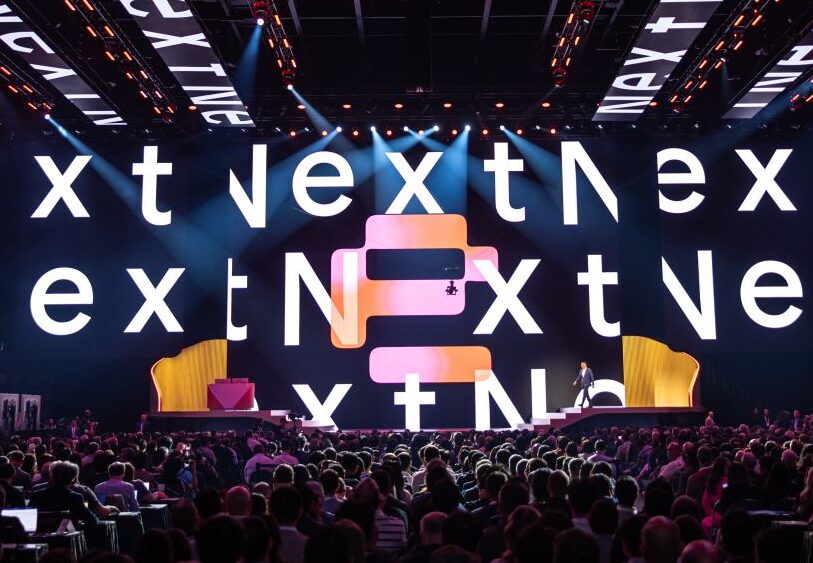
Earlier this year, I stood in front of a cross-functional group of managers, leaders, and individual contributors who collectively own how we build and deliver software for our clients. The message? We are going to reimagine our software development lifecycle (SDLC) from the ground up. Not just the tools. The roles, the processes, the team structures, how we deliver. Everything that touches how we create value for our clients.

The room didn’t fracture. People asked hard questions, pushed back on specifics, then leaned in and got to work. Over the next two days, that group crafted a strong vision for the future of our company and began the hard work of transformation. That response didn’t happen by accident. It happened because of work that started more than a year earlier, and none of it had anything to do with AI.

AI strategy gets all the attention. But the harder, quieter work is looking at your organization and being honest about if the people inside it are built for what’s coming.

The reality check

When AI broke into the mainstream in 2024, the implications for a company like ours were obvious, even if the specifics weren’t. We build and deliver business-critical software for our clients. It was clear that the way that work gets done was about to change, and that change was going to be profound.

We needed to ensure our business was built for what was ahead. When I took an honest look at what we had, I saw a twenty-year-old company with long established ways of working. Those methods had served us well in stable conditions, but weren’t built for the speed and ambiguity emerging technology was bringing.

We weren’t nimble enough. Decisions moved through layers. People defaulted to familiar patterns because that’s what the organization rewarded. We weren’t the kind of environment where AI-driven transformation lands successfully. It requires a different level of speed, focus and comfort with constant change.

The framework wasn’t the foundation

We started by adopting EOS (the Entrepreneurial Operating System), which gave us operating discipline, providing clarity on our purpose, values, vision, and strategy. A shared language. A consistent rhythm. That discipline mattered, and it still does.

But EOS didn’t solve the deeper problem. You can have the best operating rhythm in the world and still not be ready for transformation if the people and culture inside the system aren’t wired for it. The framework gave us discipline, but we needed something more.

Woman working at a laptop with close up on a Nerdery branded mug

The real foundation

The clearest gap wasn’t structural. It was whether we had the right people in the right roles, with the right mindset for what was ahead. For us, that meant reorganizing. The structure mattered, but the real purpose was to rebuild our ways of working to what the future would demand.

That shift forced us to make hard people decisions. Every role got re-examined. We moved people into roles that better matched their strengths. Gaps became visible that hadn’t been there before. Some of this was additive. Some was realignment. Some was separation. None of it was easy.

We knew what we were looking for. People who could operate in ambiguity without freezing. People who owned outcomes, not tasks. Self-starters who don’t need a handbook or an SOP to find the first step.

Ownership, speed, and comfort with ambiguity. In a world where the pace of change is constant, and the destination keeps moving, we believe these are the characteristics that matter most. We hired for this. We promoted for it. We built our values around it: Own the Outcome. Master the Craft. Be Tenacious.

The harder, quieter work

The room I described earlier, the one that didn’t fracture. It was by design. It happened because we built a team that had the mindset to respond with enthusiasm and ownership instead of fear. The operating discipline gave us rhythm. The values gave us cultural alignment. But it was the people who turned a bold ask into action.

Most leaders, if they’re honest, already know whether their people are ready. They know who moves when the plan isn’t clear and who waits. They know who owns problems and who escalates them. They know who sees transformation as an opportunity and who sees it as a threat to what they’ve built. That awareness is the starting point. What you do with it is the foundation.

AI strategy gets all the attention. But the harder, quieter work is looking at your organization and being honest about whether the people inside it are built for what’s coming. Data backs this up: McKinsey has found that companies prioritizing cultural transformation over just tech are 5.3x more likely to succeed.
That’s not an AI question. It’s a leadership one.

Asimov’s Seldon had the benefit of math that could predict the future. The rest of us have to build our foundations the hard way.

About the AI From the Inside Series

AI From the Inside is a series exploring the realities of leading a company through AI transformation. Drawing on 20+ years of building a digital consultancy, Nerdery’s CEO and founder, Michael Schmidt shares firsthand accounts of navigating this shift both internally and alongside our clients. These articles move past the hype to focus on the practical challenges of aligning technology, operations, and people. 

Explore how we help organizations navigate AI transformation.

Start building your digital ecosystem